Updated October 2026
12–15 Minute Read
Chicago-Style Hot Dog vs. New York Hot Dog: What’s the Difference?
Hot dogs may look simple, but regional hot dog styles can be surprisingly different. Two of the most recognizable are the Chicago-style hot dog and the New York-style hot dog.
Both are built around a hot dog and a bun, but that is where many of the similarities end. Chicago is known for piling an all-beef hot dog with vegetables, relish, mustard, peppers, a pickle, tomato, and celery salt. New York-style hot dogs are much simpler, commonly served with yellow mustard and steamed onions.
The difference is not just about toppings. The two styles represent completely different approaches to what a hot dog should be.
If you want a hot dog with lots of fresh, tangy, sweet, spicy, and crunchy elements, Chicago is the obvious choice. If you prefer a simpler hot dog where the beef, mustard, and onions remain the main flavors, the New York style may be more your speed.
And if you are in Aurora, Illinois, you do not have to travel to Chicago to try a Chicago-style version. Mayo Grill offers all-beef hot dogs with onions, tomatoes, relish, pickles, ketchup, and mustard, served with fries.
Chicago Dog vs. New York Dog: The Biggest Differences
The easiest way to understand the two styles is to compare what goes on the bun.
| Feature | Chicago Style | New York Style |
|---|---|---|
| Hot Dog | Typically all-beef | Varies by vendor |
| Bun | Poppy-seed bun | Steamed hot dog bun |
| Mustard | Yellow mustard | Yellow mustard |
| Onions | Raw chopped onions | Commonly steamed onions |
| Relish | Bright green sweet relish | Not a defining topping |
| Tomato | Yes | Usually no |
| Pickle | Dill pickle spear | Not a defining topping |
| Peppers | Sport peppers | Not traditional |
| Celery Salt | Yes | No |
| Ketchup | Traditionally no | Varies by customer and vendor |
What Makes a Chicago-Style Hot Dog Different?
The Chicago dog is famous because it does not stop at mustard and onions.
A classic Chicago-style hot dog is often described as being “dragged through the garden.” The phrase refers to the collection of vegetable and condiment toppings that cover the hot dog.
The traditional combination includes an all-beef hot dog, a poppy-seed bun, yellow mustard, bright green sweet pickle relish, chopped onions, tomato, a dill pickle spear, sport peppers, and celery salt.
Each ingredient has a purpose. The mustard adds sharpness. The relish adds sweetness. The onion brings bite. Tomato adds freshness and moisture. The pickle provides acidity and crunch. Sport peppers add heat. Celery salt ties the flavors together.
All-beef hot dog — the savory centerpiece.
Poppy-seed bun — soft, slightly nutty, and distinctive.
Yellow mustard — bright and tangy.
Green relish — sweet and crunchy.
Chopped onions — sharp and fresh.
Tomato — juicy and fresh.
Pickle spear — salty, sour, and crunchy.
Sport peppers — spicy and tangy.
Celery salt — the finishing seasoning.
This combination is what makes a Chicago dog immediately recognizable. The toppings are not simply extras added after the fact. Together, they create the flavor profile of the sandwich.
What Makes a New York-Style Hot Dog Different?
New York takes a much more minimalist approach.
New York-style hot dogs are strongly associated with the classic street-cart experience. A hot dog is typically served in a steamed bun with yellow mustard and steamed onions.
Unlike the Chicago dog, the New York version does not depend on a long list of vegetable toppings to define it.
The result is a simpler bite. You get the hot dog, the soft bun, the sharpness of mustard, and the sweet-savory flavor of the onions.
Hot dog — the main focus.
Steamed bun — soft and warm.
Yellow mustard — sharp and tangy.
Steamed onions — sweet, savory, and soft.
The simplicity is part of the appeal. Instead of getting a large combination of contrasting toppings, the New York style lets the hot dog and mustard remain front and center.
How Do Chicago and New York Hot Dogs Taste Different?
The easiest way to understand the difference is to think about the number of flavors happening in each bite.
A Chicago-style hot dog has several competing and complementary flavors. You get sweetness from relish, acidity from pickles and peppers, freshness from tomato and onion, heat from sport peppers, saltiness from the hot dog and celery salt, and the sharp flavor of mustard.
A New York-style dog is much more focused. Mustard and onions provide most of the flavor outside of the hot dog itself.
Chicago: Bright, Tangy & Layered
Sweet relish, mustard, fresh vegetables, pickle, peppers, and celery salt create a much more complex bite.
New York: Simple, Savory & Mustard-Forward
Steamed onions and mustard provide a simpler flavor profile that keeps the hot dog itself more prominent.
Chicago vs. New York: Which Has More Texture?
This is another major difference between the two styles.
Chicago-style hot dogs are built around contrast. The soft bun surrounds a hot dog while raw onions, crisp pickle, tomato, relish, and sport peppers add different textures.
A New York-style hot dog tends to be softer and more streamlined. The steamed onions blend into the mustard and bun rather than adding several different textures.
Chicago: soft bun + juicy tomato + crunchy pickle + crisp onions + relish + peppers.
New York: soft bun + hot dog + soft steamed onions + mustard.
Why the Chicago Hot Dog Bun Is Different
The bun is an important part of the Chicago-style hot dog. The traditional Chicago dog is served on a poppy-seed bun.
The poppy seeds give the bun a distinctive appearance and a subtle nutty flavor. More importantly, the bun has to be able to hold the large collection of toppings that makes a Chicago dog recognizable.
That is very different from the experience of a basic hot dog bun used for a simpler New York-style dog.
Chicago Bun
Traditionally a steamed poppy-seed bun designed to hold the hot dog and its many toppings.
New York Bun
Typically a soft steamed bun that works with the simpler mustard-and-onion topping combination.
Why Don’t Chicago-Style Hot Dogs Traditionally Have Ketchup?
Few hot dog rules are more famous than Chicago’s anti-ketchup tradition.
The classic Chicago-style hot dog does not traditionally include ketchup.
That does not mean someone physically cannot put ketchup on one. It means ketchup is not part of the traditional Chicago-style combination.
There is a practical flavor explanation behind the tradition. A Chicago dog already contains sweet relish, tomato, mustard, pickle, onions, and other strong toppings. Adding ketchup would introduce another sweet and acidic tomato-based flavor to a combination that already has plenty going on.
If you are ordering a traditional Chicago-style hot dog for the first time, the best way to understand the style is to try it with the classic toppings rather than immediately changing the combination.
Why Does Chicago Put So Many Toppings on Its Hot Dog?
The Chicago-style hot dog developed through the city’s street-food culture and the communities that shaped Chicago’s neighborhoods and food traditions.
Historians have connected the evolution of the Chicago dog to the city’s immigrant communities and the affordability of hot dogs during the early twentieth century. The familiar combination gradually developed into the highly recognizable style people know today.
During the Great Depression, inexpensive toppings could make a simple hot dog more substantial. Vegetables, relish, peppers, and other toppings helped turn a basic sausage in a bun into something that felt more like a complete meal.
The University of Chicago Library describes the hot dog as one of the city’s major food icons and traces Chicago’s sausage culture back to German immigrants and the city’s early meat industry.
That combination of affordability, vegetables, condiments, and local food traditions helped shape the Chicago-style hot dog into one of the city’s most recognizable foods.
Why Is the New York Hot Dog So Simple?
New York’s hot dog tradition developed around the city’s famous street-cart culture.
New York is known for the quick street-cart hot dog: hot, inexpensive, easy to eat, and heavily associated with the city’s sidewalks and busy streets.
The National Hot Dog & Sausage Council describes the traditional New York style as a hot dog served with steamed onions and pale yellow deli-style mustard.
That simplicity makes sense for a food designed to be eaten quickly while moving through a busy city.
Instead of creating a giant collection of toppings, the New York approach keeps the hot dog easy to hold and easy to eat.
Chicago Hot Dog or New York Hot Dog?
There is no universal winner. It depends on what kind of hot dog you want.
Choose Chicago If You Want…
Lots of toppings, fresh vegetables, sweet relish, pickle, peppers, mustard, and a more complex combination of flavors and textures.
Choose New York If You Want…
A simpler hot dog focused on the beef, soft bun, yellow mustard, and savory-sweet steamed onions.
Try Both If…
You are interested in regional American food and want to understand how different cities turn the same basic food into completely different traditions.
What Does Each Chicago Hot Dog Topping Actually Add?
One reason the Chicago dog works so well is that the toppings are not random. Each one contributes a different flavor or texture.
Yellow Mustard
Adds sharpness and acidity without making the dog overly sweet.
Green Relish
Adds sweetness, moisture, and a distinctive bright color.
Onions
Bring a sharp, fresh bite that contrasts with the savory hot dog.
Tomato
Adds freshness, moisture, and mild sweetness.
Pickle Spear
Provides salty, sour flavor and a strong crunchy texture.
Sport Peppers
Add heat, acidity, and another crunchy element.
Celery Salt
Gives the entire combination its distinctive savory finishing note.
What Is Mayo Grill’s Chicago-Style Hot Dog Like?
If you are in Aurora and want to try a Chicago-inspired hot dog without making a trip into Chicago, Mayo Grill offers an all-beef hot dog meal.
Mayo Grill’s current hot dog menu starts with an all-beef hot dog and includes onions, tomatoes, relish, pickles, ketchup, and mustard. Each hot dog meal comes with fries.
Customers can order one, two, or three hot dogs depending on appetite. The current listed prices are $4.99 for one hot dog with fries, $7.99 for two, and $10.99 for three.
1 Hot Dog + Fries — $4.99
A simple choice for a smaller appetite, quick lunch, or affordable takeout meal.
2 Hot Dogs + Fries — $7.99
A more substantial meal for someone who wants two fully topped all-beef hot dogs.
3 Hot Dogs + Fries — $10.99
The largest option for a bigger appetite or for sharing.
Mayo Grill’s version includes ketchup, which is different from the strict traditional Chicago-style convention. That is worth pointing out because the restaurant’s version is best described by its actual menu rather than pretending every restaurant follows exactly the same regional formula.
If you want to understand the classic Chicago style, the traditional combination is the better reference point. If you want to try Mayo Grill’s Aurora version, order it according to the restaurant’s current menu and toppings.
Is Every Hot Dog in Chicago Automatically a Chicago-Style Hot Dog?
No. A restaurant can be located in the Chicago area without every hot dog preparation matching the traditional Chicago formula.
Regional food names can be confusing because restaurants often put their own spin on familiar foods.
A traditional Chicago-style hot dog refers to a recognizable combination of an all-beef hot dog, poppy-seed bun, mustard, relish, onions, tomato, pickle, sport peppers, and celery salt.
But restaurants may add or remove toppings, offer additional sauces, or create their own version.
Mayo Grill’s current Aurora hot dog menu, for example, includes ketchup along with onions, tomatoes, relish, pickles, and mustard. That is a restaurant-specific preparation rather than a reason to rewrite the traditional definition.
The best way to describe a food accurately is to explain both the traditional version and the way a specific restaurant prepares it.
Which Regional Hot Dog Should You Try?
Try Chicago If You Love Pickles and Peppers
The pickle, sport peppers, relish, mustard, and onions make Chicago the more exciting choice for people who enjoy tangy and crunchy toppings.
Try Chicago If You Like Lots of Texture
Tomato, onions, relish, pickle, peppers, and the poppy-seed bun create a much more layered eating experience.
Try New York If You Prefer Simplicity
Mustard and steamed onions keep the flavor focused and straightforward.
Try Both If You Love Regional Food
Comparing regional hot dogs is an easy way to see how American cities turn the same basic food into completely different local traditions.
Chicago and New York Are Not the Only Regional Hot Dog Styles
The Chicago-New York comparison is just one example of how much hot dog traditions can vary across the United States.
Regional hot dogs exist throughout the country, and many have their own distinctive toppings and preparation methods.
Michigan-style coney dogs, Sonoran dogs, Seattle-style hot dogs, Carolina-style dogs, and other regional variations demonstrate how local ingredients and food traditions influence something as simple as a hot dog.
That is part of what makes regional food interesting. The basic ingredient stays recognizable, but the surrounding ingredients tell you something about the place where the food became popular.
Chicago
All-beef dog, poppy-seed bun, mustard, relish, onions, tomato, pickle, sport peppers, and celery salt.
New York
Commonly associated with yellow mustard and steamed onions.
Detroit / Michigan
Commonly associated with a Coney-style chili topping, mustard, and onions.
Sonoran
A very different Southwestern style often built around a bacon-wrapped hot dog and numerous toppings.
Why Chicago-Style Hot Dogs Matter in Aurora
Aurora is part of the broader Chicago metropolitan area, so Chicago food traditions naturally appear throughout the western suburbs.
You do not have to be standing downtown in Chicago to encounter foods associated with Chicago’s culinary culture.
Italian beef, Chicago-style hot dogs, giardiniera, tavern-style pizza, sausages, and other foods have become part of the wider suburban food landscape.
That makes a Chicago-style hot dog particularly relevant for people searching for food in Aurora. A visitor may be looking for something that feels connected to Chicago without driving into the city. A local may simply be craving a familiar regional food.
For Mayo Grill, the important distinction is that the restaurant has an Aurora location and offers its own all-beef hot dog preparation rather than requiring customers to travel into Chicago.
Are Chicago-Style Hot Dogs Good for Families and Groups?
Hot dogs are one of the easier foods to order for a mixed group because they are familiar, customizable, and available in different portion sizes.
At Mayo Grill, customers can choose one, two, or three all-beef hot dogs with fries. That gives people a simple way to order according to appetite.
Hot dogs can also be combined with other Mayo Grill menu items. Someone can order a hot dog while another person gets Italian beef, a Philly, a gyro, wings, seafood, or a burger.
For kids: Hot dog + fries.
For sandwich lovers: Italian beef or Philly.
For chicken lovers: Wings or chicken.
For seafood lovers: Catfish, tilapia, shrimp, or another seafood meal.
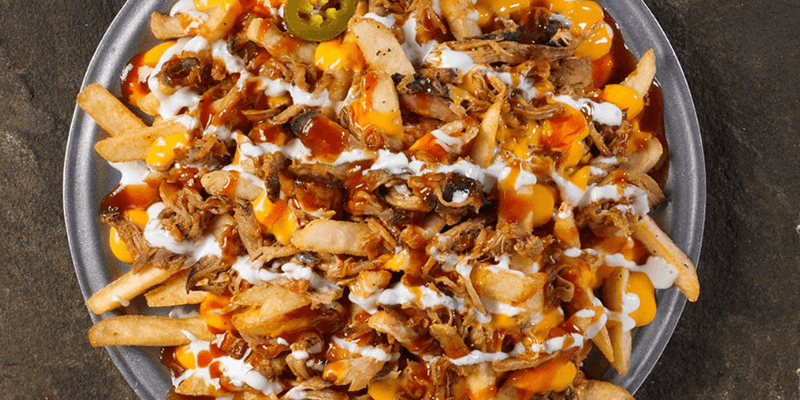
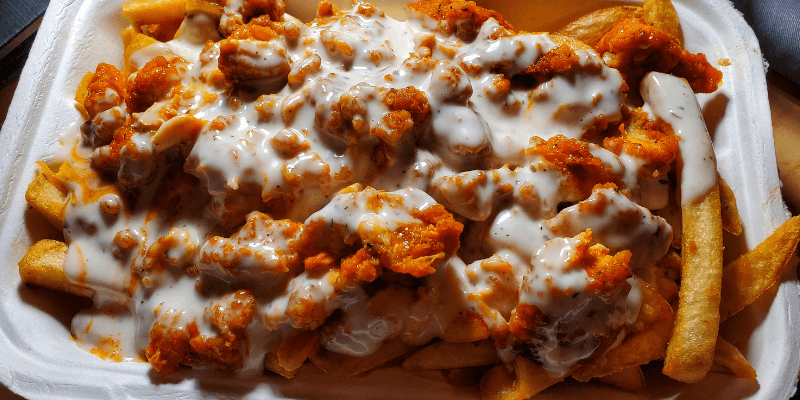
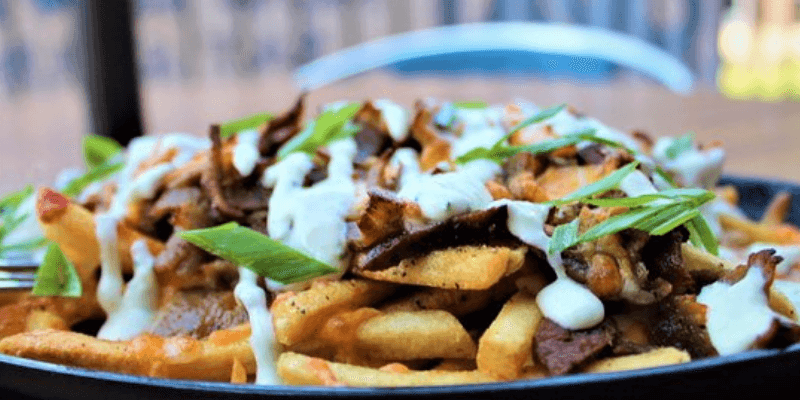
For sharing: Loaded fries, wings, or another side.
How Should You Order Your First Chicago-Style Hot Dog?
If you have never had one, start with the classic combination.
The easiest way to understand a regional food is to try the version that represents the style rather than immediately customizing it.
For a traditional Chicago-style experience, look for the all-beef hot dog, poppy-seed bun, mustard, relish, onions, tomato, pickle, sport peppers, and celery salt.
Step 1: Start With the Classic
Try the traditional topping combination before deciding what you would change.
Step 2: Pay Attention to the Contrast
Notice how mustard, relish, pickle, peppers, tomato, and onions each contribute something different.
Step 3: Decide What You Like
Once you know the traditional style, you can decide whether you prefer more mustard, fewer peppers, extra relish, or your own variation.
What If Someone in Your Group Doesn’t Want a Hot Dog?
This is where a broad Aurora menu becomes useful.
A family or group does not have to agree on the same meal. Someone can try the hot dog while someone else orders a completely different category.
Chicago-Style Craving
Hot dog or Italian beef.
Sandwich Craving
Philly cheesesteak, chicken sandwich, or gyro.
Chicken Craving
Party wings, whole wings, chicken tenders, or chicken sandwich.
Seafood Craving
Catfish, tilapia, shrimp, calamari, or a seafood combination.
Chicago vs. New York Hot Dog FAQs
What is the difference between a Chicago-style hot dog and a New York hot dog?
Chicago-style hot dogs are traditionally topped with mustard, green relish, chopped onions, tomato, a pickle spear, sport peppers, and celery salt on a poppy-seed bun. New York-style hot dogs are commonly served with yellow mustard and steamed onions.
What comes on a traditional Chicago hot dog?
The traditional combination includes an all-beef hot dog, poppy-seed bun, yellow mustard, bright green relish, chopped onions, tomato, dill pickle spear, sport peppers, and celery salt.
What comes on a New York-style hot dog?
A classic New York-style hot dog is commonly served with yellow mustard and steamed onions. Individual vendors may offer additional toppings and variations.
Why don’t Chicago hot dogs have ketchup?
Ketchup is traditionally excluded from a Chicago-style hot dog. The classic combination already contains sweet relish, tomato, mustard, pickle, peppers, and other strong flavors, so ketchup is not considered part of the traditional style.
Is a Chicago-style hot dog always made with an all-beef hot dog?
The traditional Chicago-style version is associated with an all-beef hot dog. Individual restaurants can create their own variations, so always check the restaurant’s actual menu.
What does “dragged through the garden” mean?
“Dragged through the garden” is a phrase used to describe the large collection of vegetable and condiment toppings traditionally placed on a Chicago-style hot dog.
Is a Chicago hot dog spicy?
It can have some heat because traditional Chicago-style hot dogs include sport peppers. The level of heat can vary depending on the peppers and how many are used.
Does Mayo Grill serve hot dogs in Aurora?
Yes. Mayo Grill serves all-beef hot dogs in Aurora with onions, tomatoes, relish, pickles, ketchup, and mustard. The meals are served with fries.
How much are hot dogs at Mayo Grill?
The current listed price is $4.99 for one hot dog with fries, $7.99 for two hot dogs with fries, and $10.99 for three hot dogs with fries.
Can I order hot dogs for pickup in Aurora?
Yes. Mayo Grill offers online ordering for pickup. Customers can review the current hot dog menu and place an order before visiting the Aurora location.
Where is Mayo Grill located?
Mayo Grill is located at 954 East New York Street Unit B, Aurora, IL 60505.
More Chicago-Style and Aurora Food to Try
The hot dog is only one part of Aurora’s broader food scene.
If you enjoy the Chicago-style hot dog, there are several other foods worth trying when you are exploring Aurora.
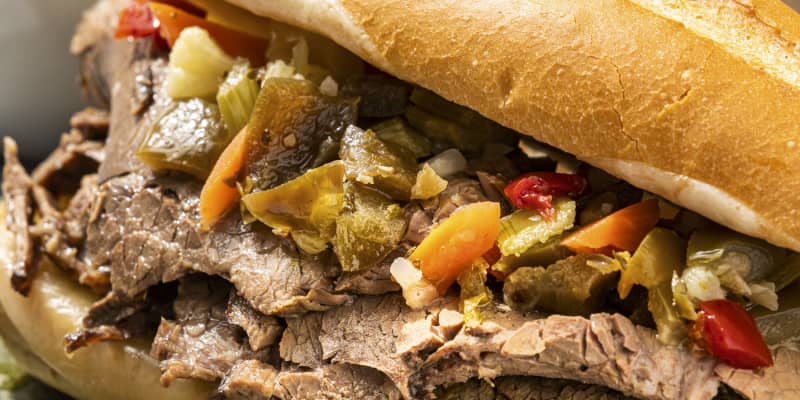
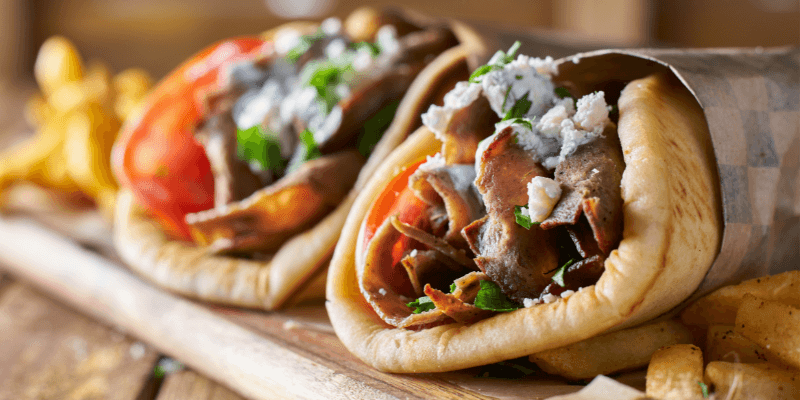
Italian beef is another major Chicago-area favorite, while the Gym Shoe combines several sandwich traditions into one very large meal. Mayo Grill also offers gyros, Philly cheesesteaks, burgers, wings, seafood, loaded fries, chicken, salads, and other casual foods.
Ready to Try a Chicago-Style Hot Dog?
Chicago and New York may both have famous hot dogs, but they take completely different approaches. Chicago piles on the vegetables, relish, pickle, peppers, mustard, and celery salt. New York keeps things simpler with mustard and steamed onions.
If you are in Aurora and want to try Mayo Grill’s all-beef hot dog, you can choose one, two, or three hot dogs with fries. The current menu includes onions, tomatoes, relish, pickles, ketchup, and mustard.
Try the hot dog, compare it with other Chicago-area favorites, and decide which regional style you like best.
Hot Dogs, Chicago Favorites & More
954 East New York Street Unit B
Aurora, IL 60505
(331) 258-6603
Monday–Saturday: 10 AM–10 PM | Sunday: 11 AM–8 PM