What Is Giardiniera? Chicago’s Famous Hot Pepper Topping Explained
How an Italian Vegetable Mix Became a Chicago Icon
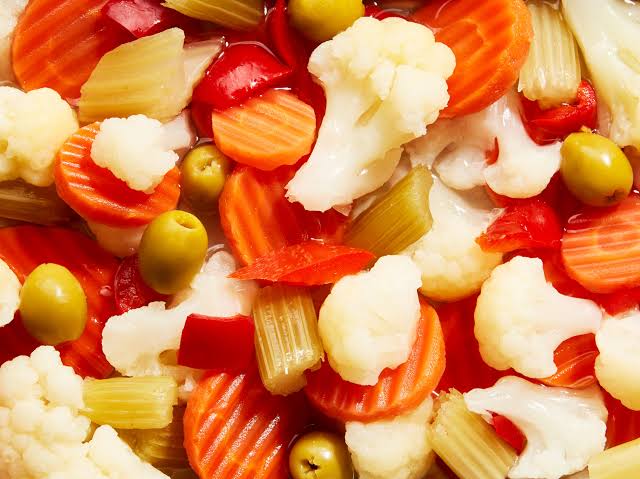
The name giardiniera comes from an Italian word connected to a garden, which makes sense when you look inside the jar. It can contain peppers, celery, carrots, cauliflower, onions, olives, garlic, herbs, and other vegetables.
Giardiniera began as a way of preserving vegetables. Italian versions can feature larger pieces of vegetables preserved in vinegar or brine and served as part of an antipasto or alongside a meal.
Chicago took the idea in a different direction.
Here, the vegetables became smaller, the peppers became more important, oil became closely associated with the mixture, and giardiniera increasingly became something you put on top of another food.
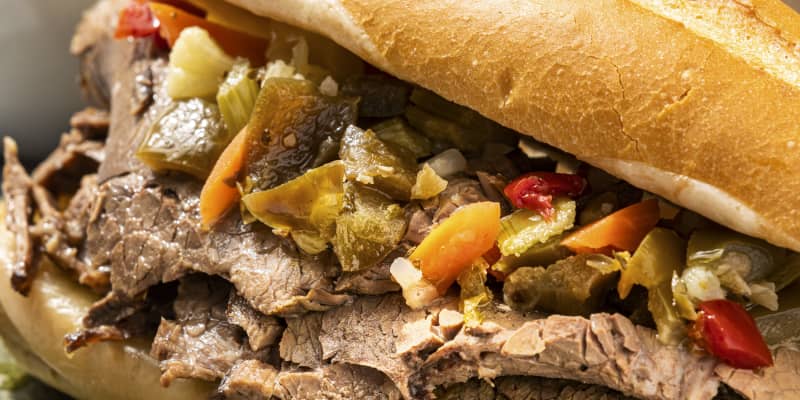
Most importantly, it found a near-perfect partner in one of Chicago’s most famous sandwiches: Italian beef.
What Goes Into Chicago-Style Giardiniera?
There is no single recipe every producer or restaurant must follow. Different jars can taste surprisingly different from one another.
Common ingredients may include:
Some recipes add fennel, capers, different olives, grilled onions, or alternative chile peppers. Others leave out ingredients that another maker considers essential.
That is why giardiniera is better understood as a style of preserved vegetable condiment rather than one rigid formula.
What Does Giardiniera Actually Taste Like?
Giardiniera is interesting because several completely different flavors and textures can show up in one bite.
The oil also helps spread the peppers, herbs, and seasoning across whatever food is underneath it.
Italian vs. Chicago-Style Giardiniera
They share the same roots, but the way they are commonly prepared and eaten can be quite different.
Mild or Hot? Choosing Your Heat Level
You do not have to love extremely spicy food to enjoy giardiniera.
Mild versions usually let the vegetables, herbs, acidity, and seasoning take center stage. Hot versions increase the chile pepper intensity.
The exact heat level is not standardized. One brand’s “hot” can be noticeably milder or hotter than another.
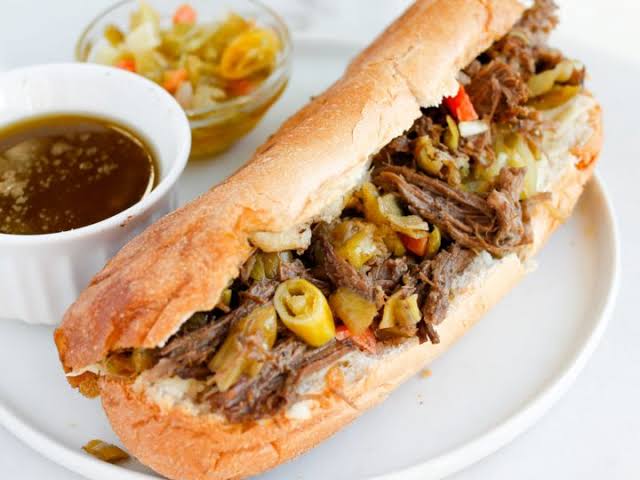
Mayo Grill serves
Italian Beef in Aurora
with thinly sliced roast beef, spicy giardiniera, mozzarella, and au jus on a crusty roll.
The beef and cheese bring richness. The au jus brings moisture and savory flavor. Giardiniera cuts through all of it with acidity, peppers, and crunch.
It is one of the simplest examples of why contrast matters so much in food.
Why Chicago Fell in Love With It
Chicago food is full of dishes that began somewhere else and developed a very specific local personality.
Giardiniera fits that story perfectly.
Italian immigrants brought preserved vegetable traditions with them. Chicago cooks and sandwich shops adapted those traditions for local tastes, and the city’s version became increasingly associated with peppers, oil, sandwiches, and especially Italian beef.
Today, giardiniera is one of those ingredients that might not receive the same national attention as deep-dish pizza or a Chicago-style hot dog, but locally it is instantly recognizable.
Giardiniera Is Not Just for Italian Beef
Once you understand what giardiniera brings to food, it becomes easy to see why people use it on much more than one sandwich.
Heat and acidity balance cheese, sausage, pepperoni, and other rich toppings.
Think of it as a spicy vegetable relish with much more texture.
It pairs naturally with deli meat, cheese, sauces, and crusty bread.
Acidity cuts through rich sausage while peppers bring extra heat.
A small spoonful can give breakfast sandwiches a spicy, tangy kick.
The acidity helps balance cheese, meat, sauces, and fried potatoes.
Giardiniera vs. Pepperoncini
These are not the same thing.
Pepperoncini are individual chile peppers that are commonly pickled and served whole or sliced.
Giardiniera is a mixture of vegetables and peppers. Peppers may be an important part of it, but they are joined by other vegetables, seasoning, vinegar or brine, and often oil.
Giardiniera vs. Relish
They can look similar from a distance because both may contain chopped vegetables, but traditional pickle relish is usually much more uniform and commonly based around cucumbers.
Giardiniera typically contains a wider variety of vegetables and peppers, which gives it more variation in texture, acidity, heat, and flavor.
And How Do You Say Giardiniera?
Italian pronunciation and everyday Chicago-American pronunciation are not exactly the same, so you may hear several variations.
At a Chicago sandwich counter, though, you will probably be understood.
Frequently Asked Questions
What is giardiniera?
Giardiniera is a preserved mixture of vegetables and peppers with Italian roots. Chicago-style versions are usually chopped small, often spicy, and commonly associated with an oil-based marinade.
What vegetables are commonly used in giardiniera?
Recipes vary, but peppers, celery, carrots, cauliflower, onions, olives, garlic, and herbs are all common possibilities.
Is giardiniera always spicy?
No. Both hot and mild versions are available. Mild giardiniera still provides acidity, vegetables, and crunch without as much chile heat.
Why is giardiniera associated with Chicago?
Chicago developed a distinctive local style of giardiniera that became especially popular as a topping for Italian beef and other sandwiches.
What is the difference between mild and hot giardiniera?
Mild versions emphasize the preserved vegetables and seasoning, while hot versions contain enough chile peppers to create noticeably more heat.
What foods go well with giardiniera?
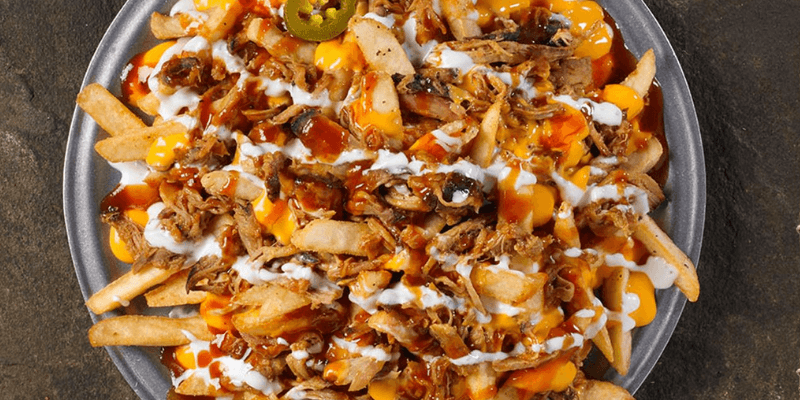
Italian beef is its most famous Chicago pairing, but giardiniera can also complement pizza, burgers, sausage, subs, eggs, and loaded fries.
Does Mayo Grill serve Italian beef with giardiniera?
Yes. Mayo Grill serves Italian beef with giardiniera, mozzarella, and au jus. Learn more on our
Italian Beef in Aurora page
.
Where can I try Italian beef with giardiniera in Aurora?
Mayo Grill serves Italian beef at its Aurora restaurant. Browse the
full menu
or see our
Aurora location information
before visiting.
Now You Know What Makes the Beef Hit Different
Giardiniera brings vegetables, spice, acidity, oil, and crunch together in one condiment. Add it to Italian beef and it becomes easy to understand why Chicago has kept it around.